Liverpool Walking Tour Guide: Best Routes, Landmarks & Local Tips
Liverpool is a city best explored on foot. While buses and taxis can take you from one attraction to another, nothing compares to discovering the city’s rich history, iconic landmarks, and vibrant culture at your own pace. A Liverpool walking tour allows visitors to experience hidden streets, historic buildings, waterfront views, and local stories that are often missed when traveling by vehicle.
Whether you are visiting for the first time or returning to uncover more of the city’s character, this guide will help you plan the perfect walking adventure. From famous attractions to local tips and recommended routes, you’ll find everything you need to make the most of your visit. If you’re already planning a broader liverpool tour, adding a walking experience is one of the best ways to truly connect with the city.
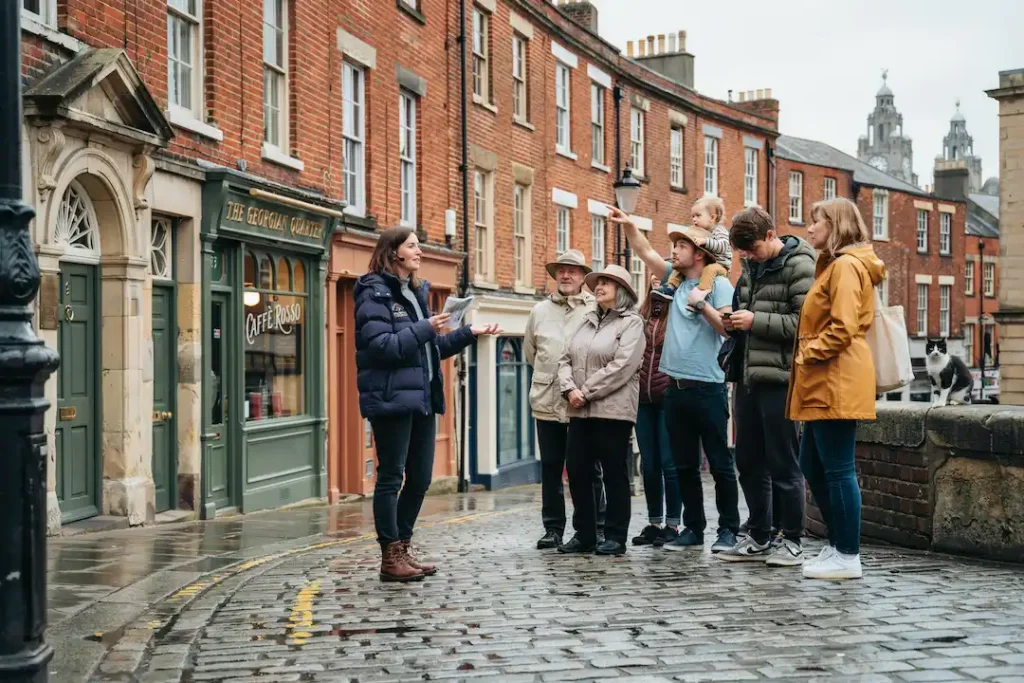
Table of Contents
Why Choose a Liverpool Walking Tour?
Liverpool has a compact city center, making it ideal for walking. Many of the city’s top attractions are located within a short distance of each other, allowing visitors to see more while enjoying the atmosphere.
Some key benefits include:
- Access to historic streets and hidden gems
- Better appreciation of Liverpool’s architecture
- Opportunities to take memorable photographs
- Freedom to explore at your own pace
- A deeper understanding of local history and culture
Unlike sightseeing buses, a walking tour Liverpool experience lets you stop whenever something catches your attention, whether it’s a striking mural, a historic pub, or a scenic waterfront viewpoint.
Top Attractions to See on a Liverpool Walking Tour
Royal Albert Dock
One of the highlights of any Liverpool waterfront walk is Royal Albert Dock. This historic area features beautifully restored warehouses, museums, restaurants, and stunning views across the River Mersey.
The dock is often the starting point for both guided and self-guided tours because it showcases Liverpool’s maritime heritage while providing easy access to other attractions.
The Three Graces
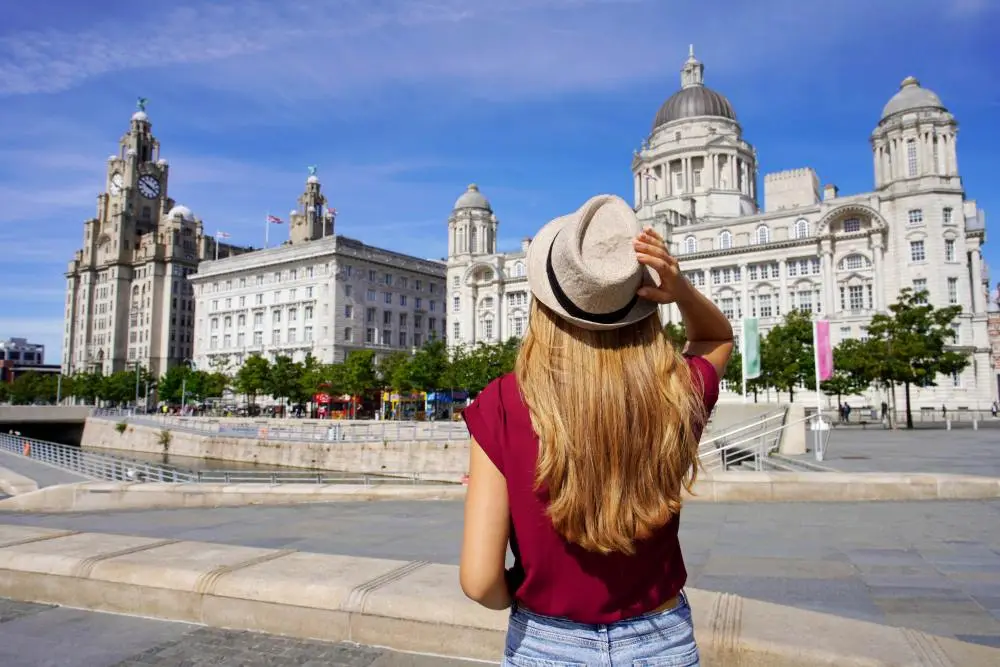
Standing proudly along the waterfront, the Three Graces include:
- Royal Liver Building
- Cunard Building
- Port of Liverpool Building
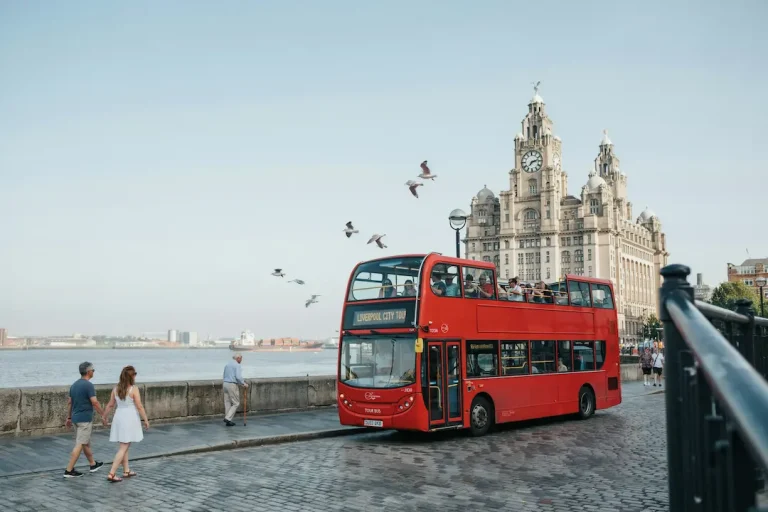
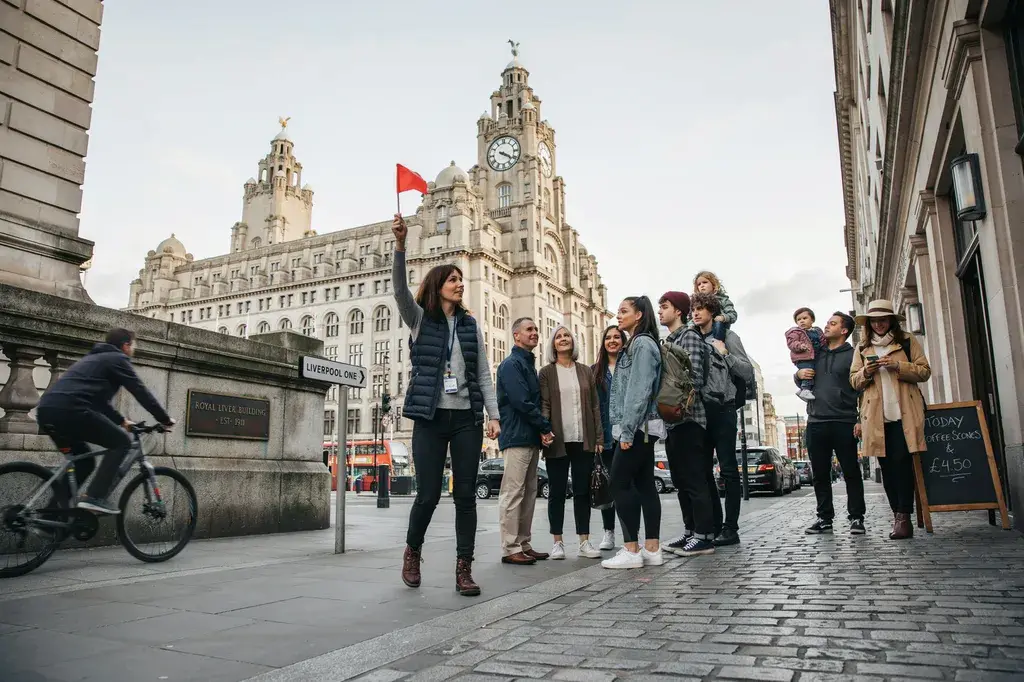
These architectural landmarks are among the most photographed buildings in the city and represent Liverpool’s importance as a global port.
Cavern Quarter
Music lovers should not miss the Cavern Quarter. Famous for its connection to The Beatles, this area combines music history with lively entertainment.
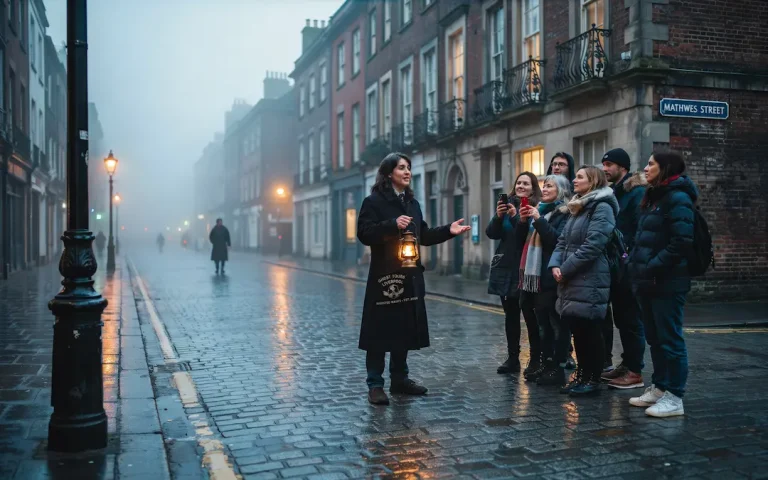
Walking through Mathew Street gives visitors a chance to experience the atmosphere that helped shape Liverpool’s musical legacy.
Liverpool Cathedral
As the largest cathedral in Britain, Liverpool Cathedral is an impressive stop on any historic walking tour in Liverpool city centre. Its towering architecture and panoramic views from the tower make it a favorite among visitors.
St George’s Hall
Frequently considered one of the finest neoclassical buildings in Europe, St George’s Hall stands as a symbol of Liverpool’s cultural heritage. The surrounding area also includes museums, galleries, and public spaces worth exploring.
Best Walking Routes in Liverpool
1. Liverpool Waterfront Heritage Route
This route is ideal for first-time visitors.
Highlights include:
- Royal Albert Dock
- Museum of Liverpool
- The Three Graces
- Pier Head
- River Mersey viewpoints
This route typically takes two to three hours and offers excellent photo opportunities throughout the journey.
2. Beatles and Music Heritage Walk
Perfect for music enthusiasts, this route focuses on Liverpool’s famous musical history.
Stops include:
- Cavern Club area
- Mathew Street
- Beatles statues
- Historic music venues
Many visitors consider this the best Liverpool walking tour for first-time visitors interested in the city’s cultural identity.
3. Historic City Centre Route
This self guided Liverpool walking tour route explores some of Liverpool’s most significant historical sites.
Key locations include:
- St George’s Hall
- Liverpool Town Hall
- Liverpool Cathedral
- Chinatown
- Georgian Quarter
This route provides an excellent overview of Liverpool’s development through different historical periods.
Guided vs Self-Guided Walking Tours
Guided Walking Tours Liverpool
Many travelers choose guided walking tours Liverpool because local guides share fascinating stories and historical details that are difficult to discover independently.
Benefits include:
- Expert local knowledge
- Historical context
- Organized routes
- Opportunities to ask questions
Guided tours are particularly valuable for visitors with limited time who want a deeper understanding of the city’s history.
Self Guided Walking Tour Liverpool
A self guided walking tour Liverpool offers greater flexibility.
Advantages include:
- Complete freedom over timing
- Ability to spend longer at favorite attractions
- Lower cost
- Personalized itinerary
Travelers who enjoy independent exploration often prefer this option.
Local Tips for an Enjoyable Walking Experience
Wear Comfortable Footwear
Although Liverpool’s city center is relatively compact, you may cover several miles during your walk.
Start Early
Beginning your walk early allows you to enjoy major attractions before crowds arrive.
Check the Weather
Liverpool weather can change quickly. Bringing a light waterproof jacket is always a smart idea.
Carry a Camera
The city offers countless photography opportunities, especially along the waterfront and around historic districts.
Take Breaks in Local Cafés
Liverpool has many independent cafés where you can relax and experience local hospitality.
Real-Life Case Study: A First-Time Visitor’s Liverpool Walking Experience
Sarah, a visitor from Canada, spent two days in Liverpool during a UK vacation. Instead of booking multiple transport-based excursions, she decided to focus on a Liverpool walking tour itinerary for one day.
She began her morning at Royal Albert Dock, walked along Pier Head, explored the Three Graces, and then continued into the city center. After lunch near Mathew Street, she visited Liverpool Cathedral and finished her day in the Georgian Quarter.
According to Sarah, the biggest advantage was discovering unexpected places along the way. She found small independent shops, hidden courtyards, and local cafés that never appeared in her travel guide.
Her experience highlights why many travelers consider walking the best way to understand Liverpool’s character and history.
Best Time of Year for a Liverpool Walking Tour
Spring
Spring offers mild temperatures and blooming parks, making it ideal for long walks.
Summer
Summer provides extended daylight hours and a lively atmosphere throughout the city.
Autumn
Autumn brings beautiful colors and fewer crowds while maintaining comfortable walking conditions.
Winter
Although colder, winter walking tours allow visitors to experience festive markets and seasonal events.
Hidden Gems Worth Adding to Your Route
Many visitors focus on major landmarks, but Liverpool also offers lesser-known attractions worth exploring.
These include:
- The Georgian Quarter
- Hope Street
- Baltic Triangle street art
- Sefton Park pathways
- Historic alleyways near Castle Street
Adding these locations can make your top landmarks on a Liverpool walking tour experience even more memorable.
Conclusion
A Liverpool walking tour offers one of the most rewarding ways to discover the city’s history, culture, architecture, and local character. Whether you choose a guided experience or create your own route, walking allows you to experience Liverpool beyond the typical tourist attractions.
From the waterfront and famous Beatles landmarks to hidden streets and historic districts, every step reveals something unique. If you’re planning a broader liverpool tour, setting aside time for a dedicated walking route can transform your visit and provide a much deeper connection to this remarkable city.
Frequently Asked Questions
What is the best Liverpool walking tour for first-time visitors?
The best Liverpool walking tour for first-time visitors is usually the Waterfront and City Centre route. It covers iconic attractions such as Royal Albert Dock, Pier Head, the Three Graces, and St George’s Hall while providing a great introduction to Liverpool’s history and culture.
How long does a Liverpool walking tour take?
Most Liverpool walking tours take between 2 and 4 hours, depending on the route and the number of attractions you visit. A full-day itinerary that includes museums, landmarks, and café stops can easily take 6 to 8 hours.
Can I do a self guided walking tour Liverpool experience?
Yes, a self guided walking tour Liverpool experience is a popular option. The city centre is easy to navigate, and many major landmarks are within walking distance of each other, making independent exploration simple and enjoyable.
Are guided walking tours Liverpool worth it?
Guided walking tours Liverpool are worth considering if you want expert insights into the city’s history, architecture, and cultural heritage. Local guides often share stories and details that visitors might otherwise miss.
Related Post Links

Daniel S is a passionate writer covering Halloween events, spooky attractions, and local entertainment. He enjoys creating fun, engaging content for Halloween lovers.